Senegal
Ocean Country Partnership Programme
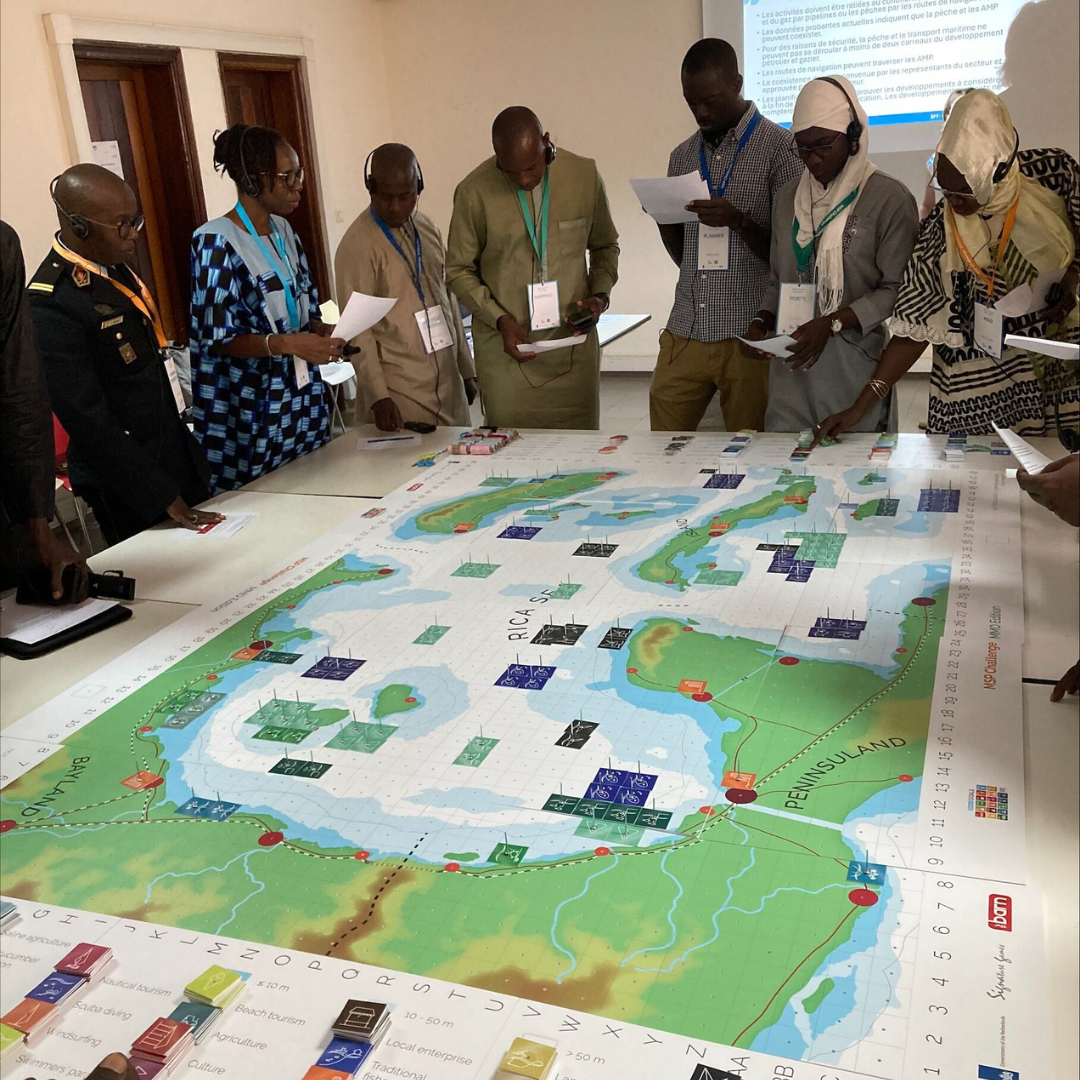
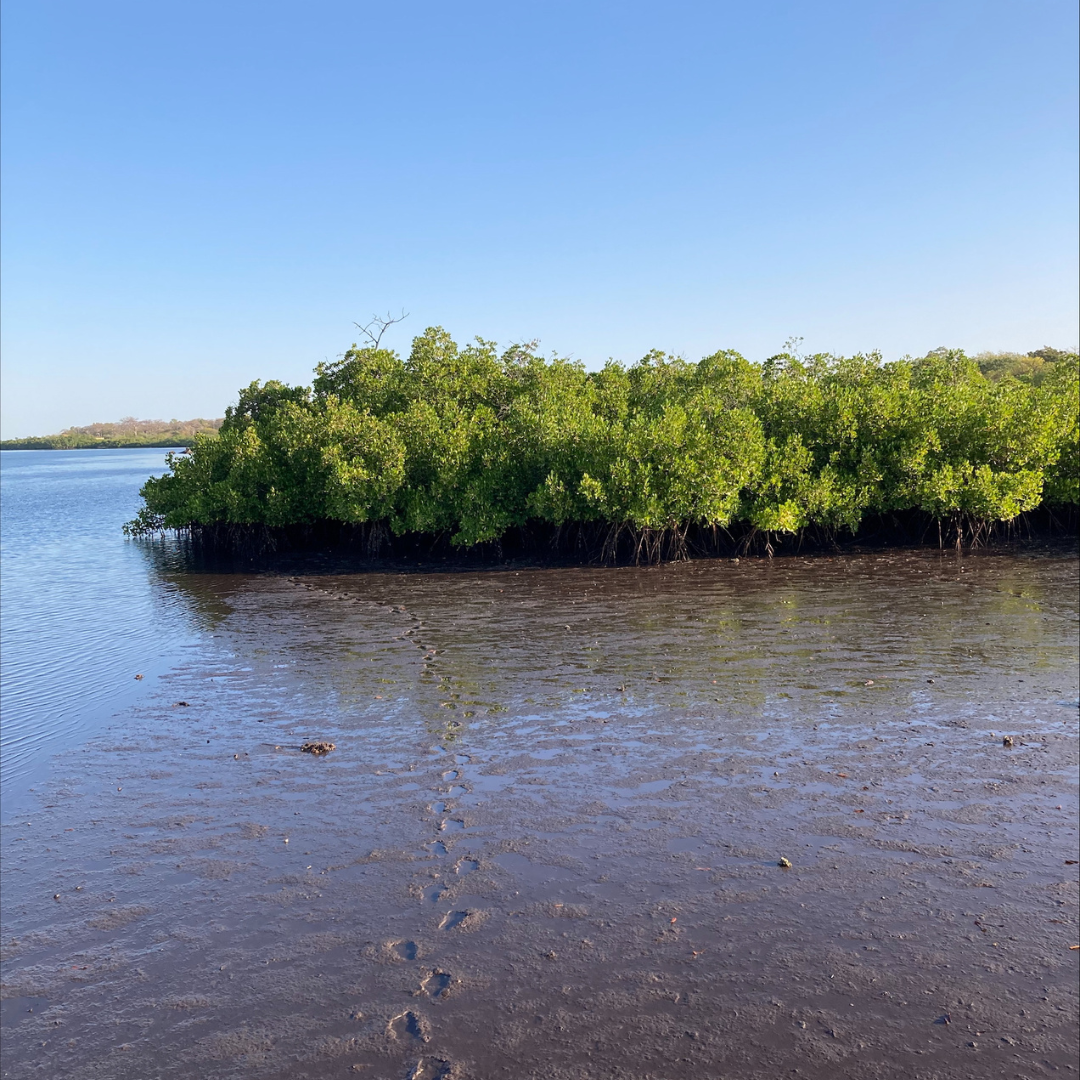
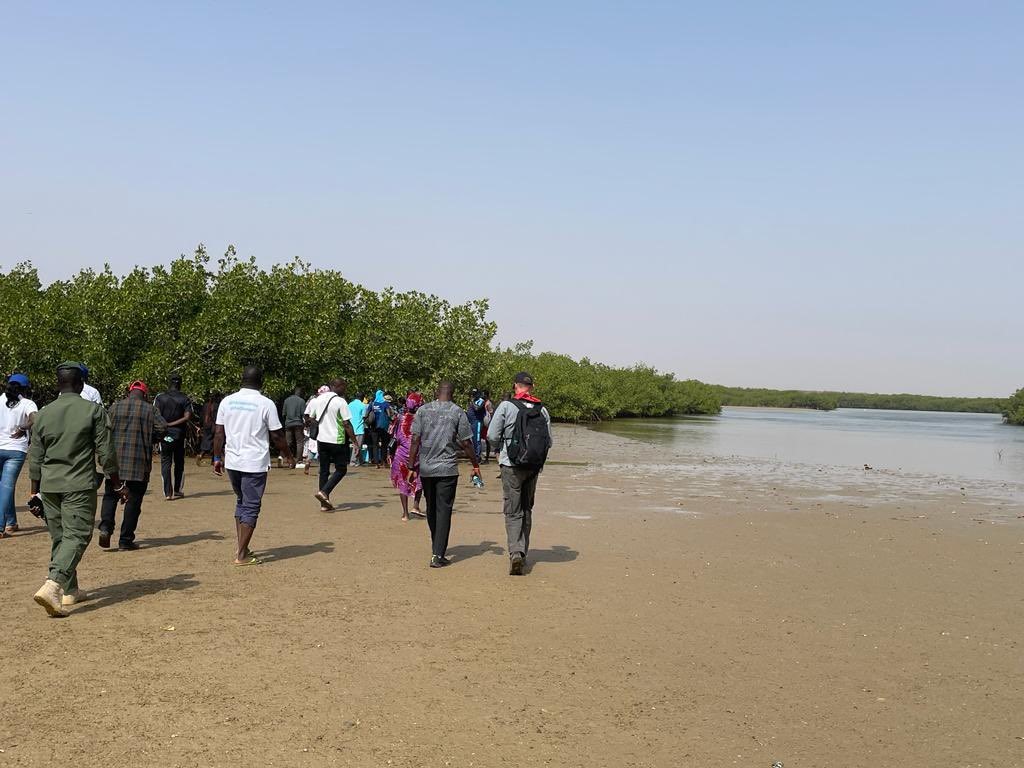
Currently 70% of Senegals population live within coastal areas with fishing a key industry along with mining, construction, tourism and agriculture. Key coastal ecosystems include sandy and rocky coast, seagrass beds, mangroves, sandy islands and wetlands. The fisheries sector is dominated by small scale artisanal fleets which are a cornerstone of the economy, providing thousands of jobs and ensuring food security. The fisheries sector as a whole accounts for 10.2 of all exports and contributes 3.2 % to Senegal’s GDP. Senegal's marine and coastal environment faces several challenges from overexploitation, illegal fishing practices, conflict between sectors and significant climate change risks (e.g. sea level rise, ocean acidification and rising temperatures). Working collaboratively with key partners, OCPP is focussing on building capacity to effectively develop and implement marine spatial planning to promote coexistence and encourage sustainable development of Senegals marine space, paving the way to designate offshore marine protected areas to protect biodiversity and addressing key issues such as pollution.
Below, you will find a selection of resources, including published papers and reports, highlighting the progress and outcomes of our work collaborating with Senegal and in region.
SUSTAINABLE SEAFOOD
MARINE POLLUTION
MARINE BIODIVERSITY
Climate change
GEDSI and SEAH
OCPP SCHOLARSHIP
PROGRAMME
UK PARTNERS
Joint Nature Conservation Committee (JNCC)
Marine Management Organisation (MMO)
Centre for Environment, Fisheries and Aquaculture Science (Cefas)
We extend our sincere gratitude to all stakeholders, partners, and contributors who have collaborated with us on the Ocean Country Partnership Programme. Your dedication and support are vital to our shared mission of protecting and sustainably managing our oceans. Together, we are making a difference.