Coastal Health, Livelihoods and Environment Programme
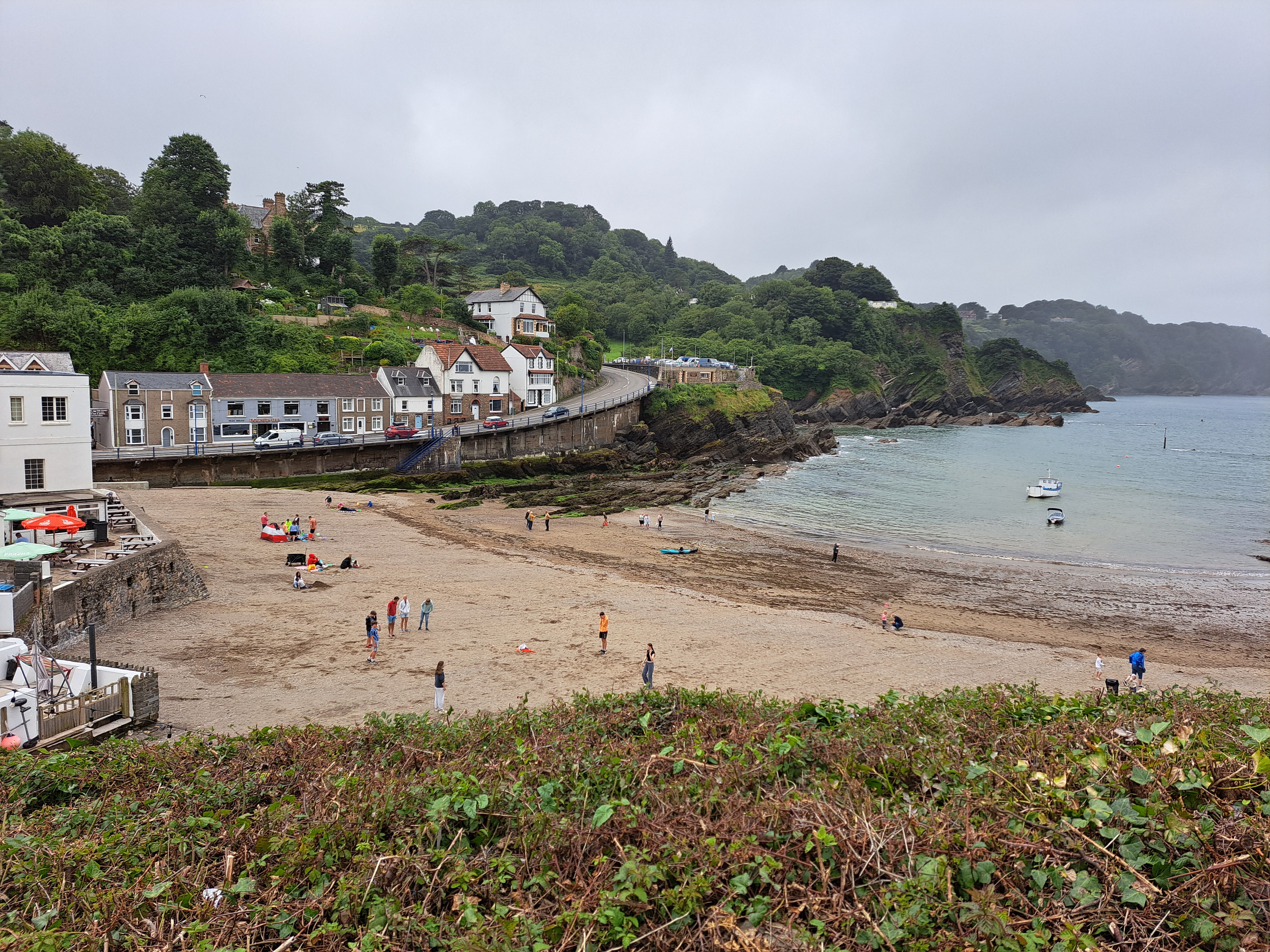
The UK’s coastal zones are at the frontline of environmental change, facing unprecedented pressures on both ecosystem and community health. Events such as toxic algal blooms or pollution events present many sources of risk affecting livelihoods of coastal communities and human welfare through food security, emergence of pathogens & pests, and other biosecurity risks.
The Coastal Health programme emerges as a visionary response – uniting government agencies, research institutions, NGOs, and local actors in a dynamic meta-community. The programme develops risk management resources and protocols to understand, predict, and manage risks to coastal environments and the human livelihoods that depend on them, using One Health principles.
By harnessing cutting-edge science, fostering knowledge exchange, and building robust networks, the Coastal Health programme aims to support sustainable growth in inshore fisheries and aquaculture, and empower decision-makers with timely, evidence-based advice.
Primary outcomes of the Coastal Health Programme will be:
- a more resilient marine system
- improved environmental quality
- improved livelihoods and wellbeing in coastal regions leading to greater potential for economic growth and sustainability.
The programme was set up in 2023, as a partnership of fourteen UK government departments and agencies, academic institutes and non-government organisations: the Centre for Environment, Fisheries and Aquaculture Science (Cefas) , the Department for Environment, Food and Rural Affairs (Defra) , the UK Hydrographic Office (UKHO) , the UK Health Security Agency (UKHSA) , the Association of Inshore Fisheries and Conservation Authorities (AIFCA) , the Natural History Museum (NHM) , the Environment Agency (EA) , Natural England (NE) , the Marine Management Organisation (MMO) , the Animal and Plant Health Agency (APHA), Food Standards Agency (FSA), the University of Exeter , the Rivers Trust , and Westcountry Rivers Trust . The Programme was funded by an HM Treasury Shared Outcome Fund.
Find out more in our introductory StoryMap and the case study StoryMaps below, which share some of the outputs from the first phase of the programme
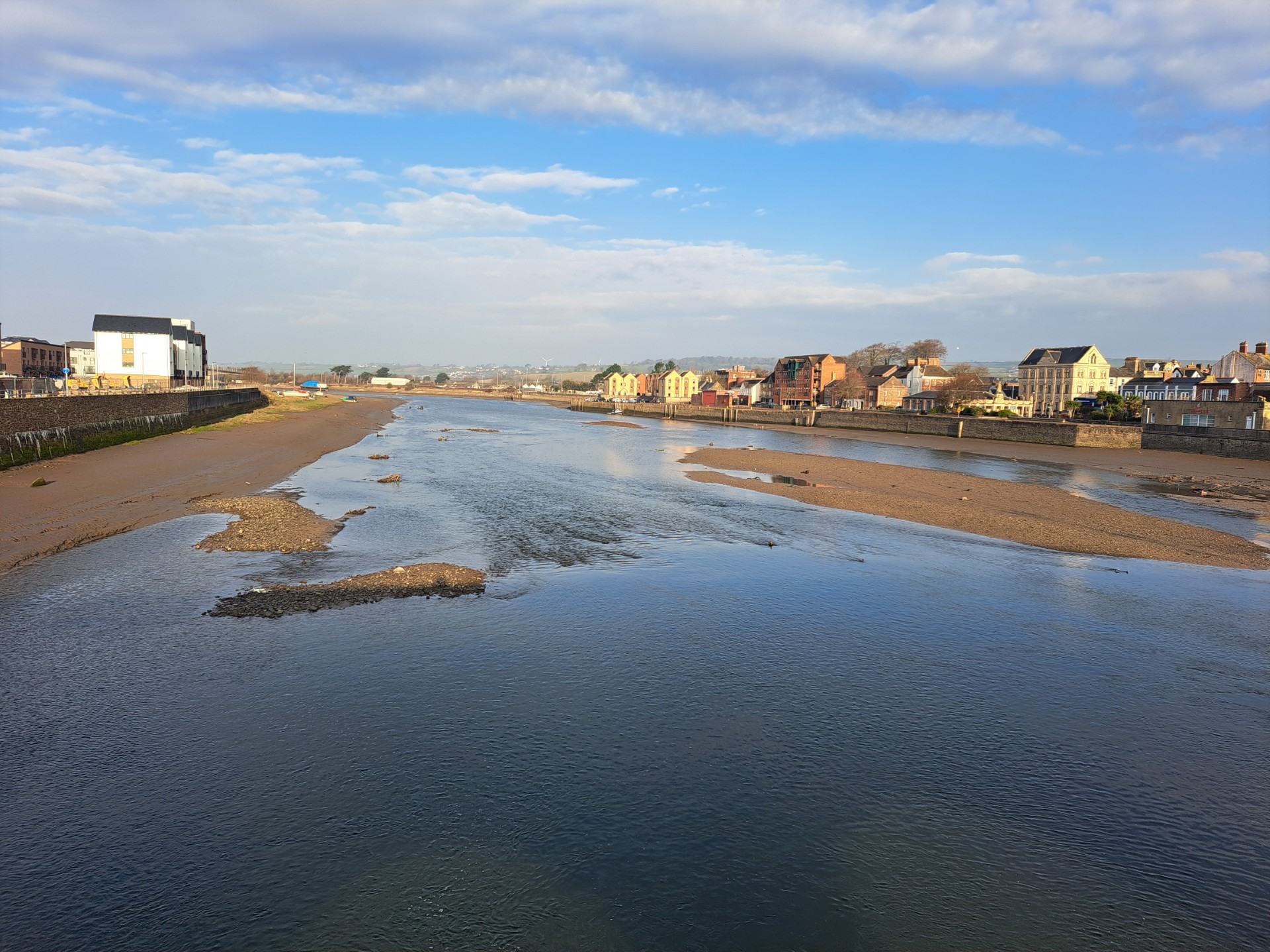
The Taw-Torridge Case Study
Trialling novel water quality monitoring approaches in the Taw and Torridge river catchments of north Devon
Environments such as those associated with the Rivers Taw and Torridge in southwest England require careful monitoring to ensure that the mixture of pressures from human activities and natural processes (such as storms and coastal flooding) do not exceed the capacity of the system’s resilience, i.e. its ability to resist and recover from shocks.
Under the Coastal Health programme, this area of north Devon was chosen to explore how the current approaches to routine monitoring of water quality could be adjusted to better support a healthy environment and thriving coastal community. The area chosen for our study is popular with wildlife enthusiasts and recreational users, due to its importance for migratory birds, and suitability for sailing and other water-based activities. The mild climate and attractive sandy beaches draw large numbers of tourists to the area during the summer months, temporarily boosting the populations of the towns of Barnstaple, on the River Taw, and Bideford, on the River Torridge.
Find out more in the Taw-Torridge case study StoryMap.
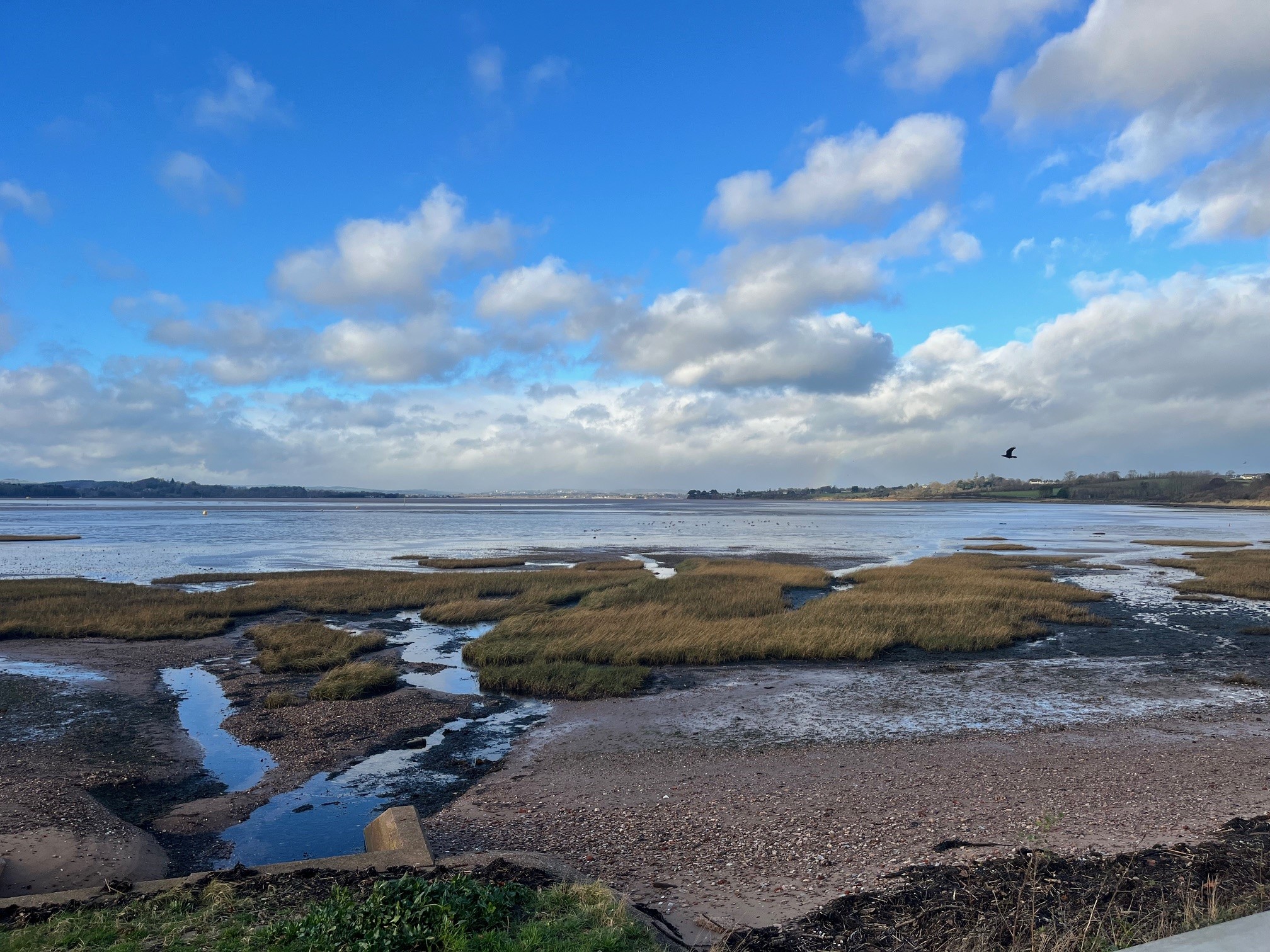
Coastal Health Initiatives Catalogue - How to Get Involved
How to Get Involved
Coastal Health Initiatives Catalogue (CHIC): An interactive tool for collating key community-driven initiatives across UK coastal areas.
The Coastal Health, Livelihoods and Environment programme aims to develop a coastal monitoring framework to improve our understanding of coastal ecosystem health, effectively manage unexplained adverse events, and support rapid government actions to such events.
A key objective of the programme was to map the coastal health data landscape while improving awareness of ongoing initiatives happening at the local, regional and national scale that actively involve, and engage with, people and communities around our coasts. The Coastal Health Initiatives Catalogue was created to compile key initiatives, actors, links to publicly available data amongst other information. The focus was on creating a user-friendly map that allows people to quickly find an initiative of interest in a defined area and submit information about additional initiatives they may be aware of. The curated catalogue is a dynamic, interactive tool designed to categorise initiatives across England. From listing, locating and describing initiatives to identifying new stakeholders and finding new data, this tool can be used for diverse needs.
Find out more in the Coastal Health Initiatives Catalogue StoryMap.
Further Reading